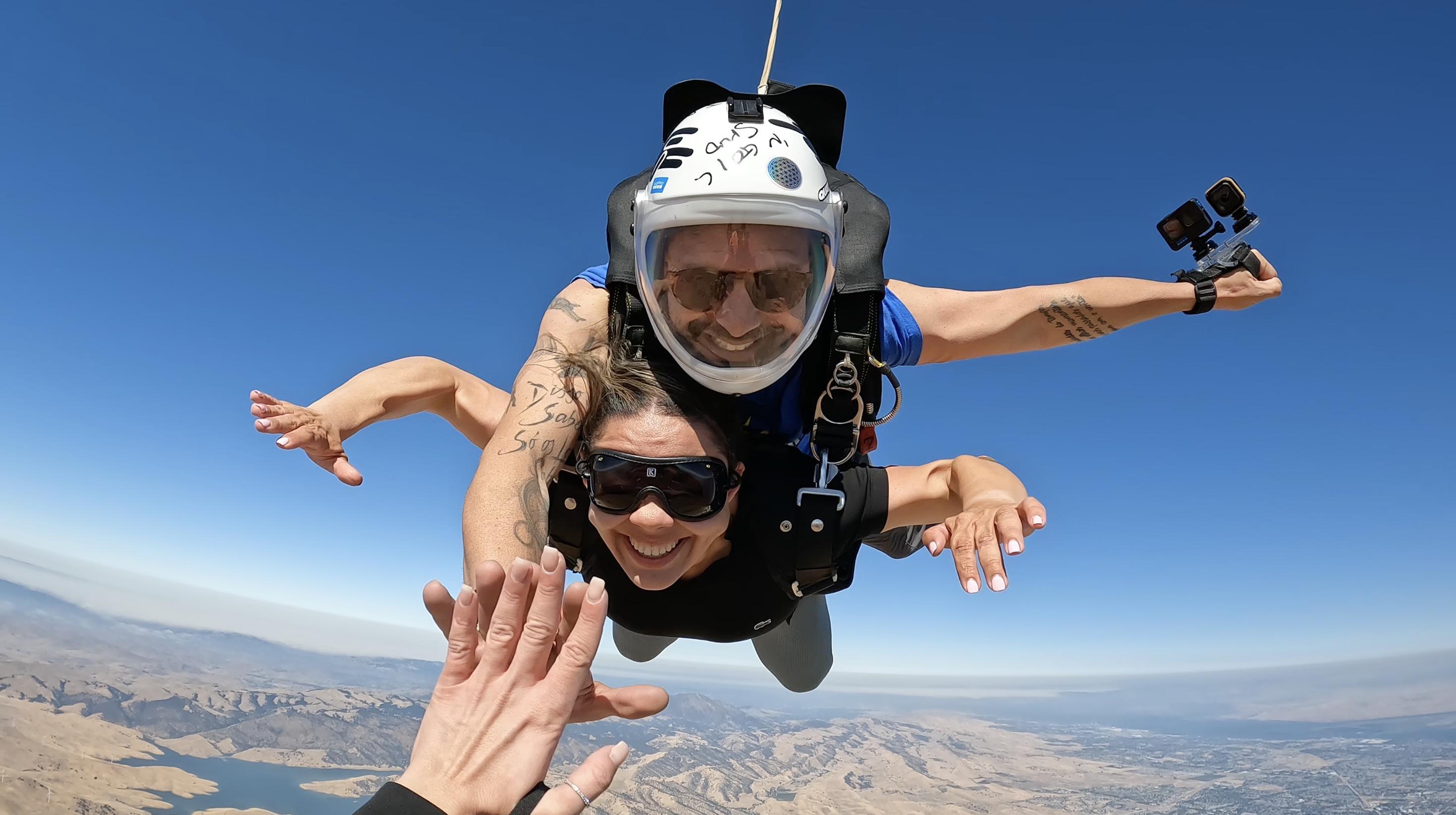
Best Places to Skydive in Northern California (2026 Guide)
Your comprehensive guide to choosing the perfect skydiving experience in Northern California
Northern California has emerged as one of America's premier skydiving destinations, attracting thrill-seekers from around the world. With its exceptional weather patterns, breathtaking coastal and mountain scenery, and proximity to major population centers like San Francisco, San Jose, and Oakland, the region offers an unmatched combination of accessibility and natural beauty for both first-time jumpers and experienced skydivers.
Whether you're searching for your first tandem skydiving experience, pursuing professional AFF training to become a licensed skydiver, or looking for the perfect gift certificate for someone special, Northern California's diverse skydiving centers provide options for every skill level and budget.
This comprehensive 2026 guide will help you understand what makes Northern California exceptional for skydiving, what factors to consider when choosing a drop zone, and how to find the best experience that matches your goals and comfort level.
Why Northern California Is a Top Skydiving Destination
Exceptional Weather
Northern California's Mediterranean climate provides consistent jumping conditions year-round. The region experiences mild temperatures, low humidity, and clear skies for most of the year, making it possible to schedule jumps with confidence across all seasons.
Stunning Scenic Views
From the Pacific coastline to the Sierra Nevada mountains, San Francisco Bay to wine country, Northern California offers some of the most diverse and beautiful aerial views anywhere in the United States. Every jump provides a unique visual experience.
Bay Area Accessibility
Northern California's skydiving centers are easily accessible from San Francisco, San Jose, Oakland, Sacramento, and surrounding communities. Most drop zones are within a 1-2 hour drive from major population centers, making it convenient for both locals and visitors.
Comprehensive Training Programs
The region is home to highly experienced instructors and comprehensive AFF training programs. First-time jumpers find professional support through tandem experiences, while aspiring skydivers can pursue full licensing through structured training courses.
Northern California's skydiving community has grown significantly over the past decade. The combination of favorable jumping conditions, professional instruction, modern equipment, and proximity to tech-savvy populations has created an environment where both recreational jumping and serious sport skydiving thrive.
What to Look for in a Skydiving Center
Choosing the right skydiving center is crucial for ensuring a safe, enjoyable, and memorable experience. Whether you're planning your first jump or continuing your training toward becoming a licensed skydiver, these key factors should guide your decision.
Safety Standards and Certifications
Safety should always be your top priority. Look for drop zones that maintain current United States Parachute Association (USPA) memberships, follow rigorous equipment maintenance protocols, and enforce strict safety procedures. Ask about instructor certifications, incident records, and safety briefing processes.
Instructor Experience and Qualifications
The quality of your skydiving experience depends heavily on your instructor's expertise. Experienced instructors not only ensure your safety but also make the experience more enjoyable and educational. Look for centers with USPA-certified tandem instructors and AFF instructors who have completed thousands of jumps.
Aircraft Quality and Fleet Size
The aircraft used for skydiving directly affects your experience. Modern, well-maintained planes provide faster ascent times, comfortable rides, and reliable performance. Centers with multiple aircraft can accommodate larger groups and reduce wait times during busy periods.
Tandem Programs and First-Timer Support
If you're planning your first jump, evaluate how the center supports first-time jumpers. Quality tandem skydiving programs include thorough ground training, patient instructors, clear communication, and post-jump debriefing. Customer service matters significantly for nervous first-timers.
AFF Training and Progression Paths
For those interested in becoming licensed skydivers, investigate the center's Accelerated Freefall training curriculum. Quality programs offer structured progression, experienced instructors at every level, and clear paths from student to licensed jumper. Consider instructor-to-student ratios and training flexibility.
Customer Reviews and Reputation
Online reviews, testimonials, and word-of-mouth recommendations provide valuable insights into actual customer experiences. Look for consistent patterns in reviews regarding safety, professionalism, customer service, and overall satisfaction. Pay attention to how centers respond to feedback.
Scenic Views and Jump Location
While safety and professionalism are paramount, the visual experience matters too. Northern California offers diverse landscapes—coastal views, mountain ranges, urban skylines, and agricultural valleys. Consider what scenery appeals to you and choose a location that enhances your experience.
Top Places to Skydive in Northern California
Northern California is home to several exceptional skydiving centers, each offering unique advantages, locations, and experiences. When comparing options, consider factors like proximity to your location, available services, instructor experience, pricing, and the specific type of experience you're seeking.
Below we highlight some of the leading skydiving destinations in the region, with particular focus on what makes each location unique and what types of jumpers they serve best.
Bay Area Skydiving
Bay Area Skydiving has established itself as one of Northern California's premier skydiving centers, serving first-time jumpers and experienced skydivers throughout the San Francisco Bay Area and beyond. Located conveniently for residents of San Francisco, San Jose, Oakland, and surrounding communities, the center combines professional instruction with a commitment to customer experience and safety.
Comprehensive Tandem Program
Professional tandem skydiving experiences designed specifically for first-time jumpers, with thorough ground training and patient, experienced instructors.
Professional AFF Training
Complete Accelerated Freefall training programs for individuals pursuing their skydiving license, with structured progression and experienced instructors at every level.
Gift Certificates Available
Gift certificates make excellent presents for birthdays, holidays, anniversaries, and other special occasions, allowing recipients to choose their preferred jump date.
Group Bookings Welcome
Group packages accommodate corporate events, birthday parties, bachelor/bachelorette celebrations, and team-building activities with coordinated jump schedules.
Bay Area Skydiving's instructors bring extensive experience and professional certifications, creating an environment where safety, education, and customer satisfaction remain top priorities. The center maintains modern equipment, follows rigorous safety protocols, and provides thorough pre-jump training for all participants.
First-time jumpers appreciate the center's patient approach to instruction and the attention given to individual comfort levels. Experienced jumpers value the professionalism, equipment quality, and opportunities for skill development. The location provides excellent views of Northern California's diverse landscape during both ascent and descent.
Other Northern California Options
Northern California is home to several other skydiving centers across the region, each with its own characteristics, location advantages, and service offerings. When comparing options, consider factors such as:
- Distance from your location and drive time
- Specific training programs and instructor credentials
- Aircraft types and altitude options
- Pricing structures and package deals
- Customer reviews and safety records
- Scenic views and landing area conditions
- Availability and booking flexibility
Many centers throughout the region offer quality experiences. We encourage potential jumpers to research multiple options, ask detailed questions, visit facilities when possible, and choose the center that best aligns with their priorities, comfort level, and goals.
Tandem Skydiving in Northern California
Tandem skydiving represents the most accessible way to experience freefall for first-time jumpers. During a tandem jump, you're securely attached to a certified instructor who manages all technical aspects of the jump, allowing you to focus entirely on the experience itself.
What to Expect During Your First Jump
Your tandem skydiving experience typically begins with a comprehensive ground training session. Your instructor will explain the jump sequence, demonstrate body positions, review safety procedures, and answer any questions you might have. This training usually lasts 15-30 minutes and ensures you feel prepared and confident.
After training, you'll gear up with a harness that attaches you to your instructor. The aircraft ascent provides time to enjoy views of Northern California's landscape and build anticipation. When you reach jump altitude, your instructor will perform final equipment checks before you exit the aircraft together.
Freefall typically lasts 30-60 seconds depending on exit altitude, during which you'll experience the rush of terminal velocity and the incredible sensation of human flight. After your instructor deploys the parachute, you'll enjoy a peaceful 5-7 minute canopy ride back to the landing area, with opportunities to steer the parachute and take in the views.
Safety Considerations
Tandem skydiving has an excellent safety record when conducted by certified instructors using properly maintained equipment. All tandem instructors in the United States must hold USPA tandem ratings, which require extensive training, experience, and ongoing proficiency requirements.
Modern tandem equipment includes multiple redundant safety systems. Every tandem rig has a main parachute, a reserve parachute, and an Automatic Activation Device (AAD) that will automatically deploy the reserve parachute if needed. Instructors perform thorough equipment checks before every jump.
Who Can Jump?
Most healthy adults can participate in tandem skydiving. Typical requirements include being at least 18 years old and weighing less than 240 pounds (weight limits may vary by drop zone). Participants should be in reasonable physical health, able to follow instructions, and free from certain medical conditions that could be affected by the jump.
If you have questions about whether tandem skydiving is right for you, we encourage you to contact the skydiving center directly to discuss any concerns or medical considerations.
Ready to experience the thrill of skydiving?
Learn to Skydive in California
For those who want to go beyond a single tandem experience and pursue independent skydiving, Accelerated Freefall (AFF) training provides a structured path to becoming a licensed skydiver. California's skydiving centers offer comprehensive AFF training programs that take students from their first solo jump through full licensing.
What Is AFF Training?
Accelerated Freefall is the modern, efficient method for learning to skydive independently. Unlike tandem jumping where you're attached to an instructor, AFF students jump with their own parachute from the very first training jump, accompanied by two instructors who jump alongside to provide guidance and assistance.
The program typically consists of seven levels, each focusing on specific skills and maneuvers. Students progress through body position control, altitude awareness, deployment procedures, emergency procedures, and advanced canopy control. Each level builds upon previous skills, creating a comprehensive foundation for safe, independent skydiving.
The Licensing Process
After completing AFF training, students work toward their USPA A License, which certifies them as licensed skydivers. The licensing process requires:
- Completion of all seven AFF levels
- Minimum of 25 total jumps
- Demonstrated proficiency in freefall and canopy control
- Written exam covering skydiving theory and regulations
- Coach jump requirements for additional skill development
Once licensed, skydivers can jump at any drop zone in the United States, participate in group jumps, and continue advancing their skills through additional certifications and ratings.
Progression Beyond the A License
After earning an A License, skydivers can pursue advanced ratings (B, C, and D licenses), learn specialized disciplines like freeflying or wingsuit flying, participate in formation skydiving, and even work toward instructor certifications. The skydiving community offers lifelong learning opportunities and progression paths.
Time and Financial Commitment
Learning to skydive requires both time and financial investment. Most students complete their AFF training over several weekends or a week-long intensive course, depending on weather and personal schedule. The investment includes ground training, instructor fees, equipment rental, aircraft fees, and jump tickets.
Many skydiving centers offer AFF training packages that bundle instruction and jumps at discounted rates compared to paying per jump. We recommend asking about package options and what's included when comparing training programs.
Interested in becoming a licensed skydiver?
Comparing Northern California Skydiving Options
When researching skydiving options in Northern California, you'll encounter multiple drop zones, each with unique characteristics and offerings. Making an informed decision requires understanding what factors matter most to you and how different centers align with your priorities.
Key Comparison Factors
Location and Accessibility: Consider drive time from your home or accommodations. Some jumpers prioritize convenience, while others are willing to travel farther for specific programs or scenery. Think about whether you'll be making repeat visits for training, which might make closer locations more practical.
Instructor Experience and Approach: Different instructors have different teaching styles and communication approaches. Some first-time jumpers prefer more detailed explanations, while others want concise instructions. Ask about instructor qualifications and, if possible, speak with previous students about their experiences.
Training Program Structure: If you're interested in AFF training, compare how programs are structured, scheduled, and paced. Some centers offer intensive week-long courses, while others work with weekend schedules. Consider which approach fits your learning style and availability.
Pricing and Value: Compare not just base prices but what's included. Some centers include video/photo packages, equipment rental, or ground training in their rates, while others charge separately. Consider the total cost of your experience, not just the advertised jump price.
Customer Service and Communication: How centers handle inquiries, bookings, scheduling, and customer concerns varies significantly. Read reviews that specifically mention communication quality, responsiveness, and how centers handle weather delays or rescheduling.
Making Your Decision
We recommend creating a short list of 2-3 centers that meet your basic criteria, then contacting each to ask specific questions about their programs, safety procedures, instructor qualifications, and booking process. Many centers welcome phone calls from potential jumpers and are happy to provide detailed information.
If possible, visit the drop zone before booking. Observe how the facility operates, watch jumps land, and get a sense of the overall atmosphere. This firsthand perspective can be invaluable in making your final decision.
For those researching specific operators, our Skydive California Guide provides additional context about different skydiving options and what factors people commonly consider when comparing Northern California drop zones.
Frequently Asked Questions
What are the best places to skydive in Northern California?
Northern California offers several excellent skydiving centers serving the San Francisco Bay Area and beyond. The best choice depends on your specific priorities such as location convenience, training programs, instructor experience, and desired scenery. Bay Area Skydiving, for example, provides comprehensive tandem and AFF programs with convenient access from San Francisco, San Jose, and Oakland.
How much does tandem skydiving cost in Northern California?
Tandem skydiving prices in Northern California typically range from $200-$350 depending on altitude, included features, and whether you add video/photo packages. Weekend and holiday pricing may be higher than weekday rates. Many centers offer gift certificates and group discounts for multiple jumpers.
Is skydiving safe for first-time jumpers?
Tandem skydiving has an excellent safety record when conducted by certified instructors using properly maintained equipment. All instructors must hold USPA tandem ratings and follow strict safety protocols. Modern equipment includes multiple redundant safety systems, and thorough training is provided before every jump.
How long does AFF training take in California?
Most students complete the core AFF training program (seven levels) over several weekends or through week-long intensive courses. Reaching the 25-jump minimum for licensing typically takes 1-3 months depending on weather, budget, and personal schedule. Some dedicated students complete licensing in as little as 2-3 weeks.
What's the minimum age for skydiving in California?
The minimum age for tandem skydiving in California is 18 years old. All jumpers must provide valid government-issued photo identification. There is no maximum age limit, though participants should be in reasonable health and able to meet physical requirements.
Can I skydive if I'm afraid of heights?
Many people with a fear of heights successfully complete tandem skydives. The experience of freefall from high altitude feels different from standing on a tall building or cliff edge. During your jump briefing, discuss any concerns with your instructor, who can provide reassurance and explain what to expect at each stage.
What should I wear for skydiving?
Wear comfortable, athletic clothing appropriate for the weather. Closed-toe shoes (sneakers or athletic shoes) are required—no sandals, boots, or high-tops. Dress in layers for cooler weather. The skydiving center provides all necessary safety equipment including jumpsuits, goggles, and helmets.
Are skydiving gift certificates available?
Yes. Skydiving gift certificates are popular for birthdays, graduations, anniversaries, and holidays. Certificates typically have 12-month validity and can be purchased online or by phone. Recipients can schedule their jump at their convenience within the validity period.
What's the best time of year for skydiving in Northern California?
Northern California's Mediterranean climate makes skydiving possible year-round. Summer and fall typically offer the most consistent weather with clear skies and calm winds. Spring can be excellent with green landscapes and wildflowers. Winter jumping is available but may have more weather-related scheduling adjustments. Many experienced jumpers prefer fall for optimal conditions.
Ready to Experience Northern California Skydiving?
Whether you're planning your first tandem jump, pursuing your skydiving license through AFF training, or looking for the perfect gift certificate, Bay Area Skydiving provides professional instruction, modern equipment, and an unforgettable experience.